Network Antennas
Offers updated on: 12/06/2026. Paid and non-exhaustive ads




Comprehensive Buying Guide for Network Antennas in the UK
Understanding Network Antennas
Network antennas are crucial components in the realm of wireless communication, serving as the bridge between your devices and the internet. At their core, antennas convert electrical signals into radio waves and vice versa, enhancing both signal strength and coverage. This makes them indispensable for anyone looking to improve their network performance, whether at home or in a business setting. By amplifying the signal, antennas can reduce dead zones and improve connectivity, allowing for seamless streaming, gaming, and browsing experiences.
The importance of network antennas cannot be overstated, especially in today’s world where reliable internet access is a necessity. As more devices connect to the internet, the demand for strong, stable connections grows. Network antennas play a pivotal role in meeting this demand, making them essential for effective network performance. Understanding the different types and features of network antennas will empower you to make informed purchasing decisions that cater to your specific needs.
Types of Network Antennas
When it comes to network antennas , there are several types available in the UK market, each designed for specific applications.
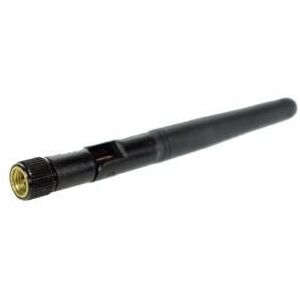
- Omnidirectional Antennas are popular for their ability to provide 360-degree coverage, making them ideal for general use in homes and offices. These antennas are particularly effective in environments where devices are scattered in various directions, as they can pick up signals from all around. If you're looking to boost your Wi-Fi signal throughout your home, an omnidirectional antenna is a solid choice.
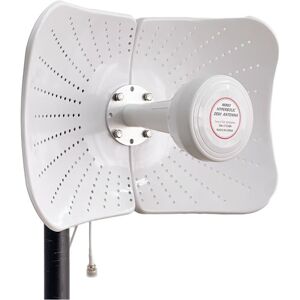
- Directional Antennas , on the other hand, focus their signal in a specific direction, providing a stronger and more concentrated signal over longer distances. This makes them suitable for point-to-point connections, such as linking two buildings or extending coverage to a far corner of a property. If you have a specific area that requires enhanced connectivity, a directional antenna could be the solution you need.
- Lastly, there are Specialty Antennas like patch and parabolic antennas, which cater to niche applications. Patch antennas are compact and can be used for indoor applications, while parabolic antennas are designed for long-range communication, often used in satellite or microwave transmission. Understanding these types will help you choose the right antenna based on your unique networking requirements.
Key Features to Consider
When selecting a network antenna , several key features should influence your decision-making process.
- Antenna Gain is one of the most critical specifications to consider. Measured in decibels relative to an isotropic radiator (dBi), gain indicates how well an antenna can focus its energy in a particular direction. A higher gain typically means a longer range but can also lead to a narrower coverage area. For instance, if you need to cover a large outdoor space, a high-gain directional antenna may be the best option, while an omnidirectional antenna with lower gain could suffice for smaller areas.
- Frequency Range is another vital consideration. Most consumer-grade antennas operate on 2.4GHz and 5GHz bands. The 2.4GHz band offers better penetration through walls and longer range, while the 5GHz band provides faster speeds and less interference but has a shorter range. Choosing an antenna that supports both frequencies can provide flexibility and better overall performance.
- Polarization also plays a significant role in signal quality. Antennas can be vertically or horizontally polarized, and the polarization of your antenna should match that of your router for optimal performance. Additionally, Build Quality and Durability are essential, especially for outdoor antennas that must withstand environmental factors like rain, wind, and temperature fluctuations. Look for antennas made from robust materials that offer weather resistance.
Installation Considerations
Successful installation of your network antenna is crucial for achieving optimal performance.
- Mounting Options vary widely, and the right choice depends on your specific environment. Wall mounts, pole mounts, and roof mounts each have their advantages. For instance, roof mounts can elevate the antenna above obstructions, improving signal quality, while wall mounts may be more convenient for indoor use. Always ensure that the mounting hardware is compatible with your antenna and is rated for outdoor use if necessary.
- Cabling Choices are equally important. Using low-loss cables can significantly reduce signal degradation between your antenna and router. Look for high-quality coaxial cables that are suited for your antenna type and ensure that the connectors are compatible with both your antenna and networking equipment.
- Finally, consider Environmental Factors that may impact performance. Physical obstructions like trees, buildings, or hills can interfere with signal transmission. Conducting a site survey to identify potential obstacles can help you determine the best location for your antenna installation.
Best Network Antennas in the UK
When it comes to choosing the right network antenna , there are options available across various price ranges to suit every budget.
- For Budget Options , the TP-Link TL-ANT2408C is a great choice. This omnidirectional antenna offers a good balance of performance and affordability, making it suitable for home users looking to enhance their Wi-Fi coverage without breaking the bank.
- In the Mid-Range Choices , the Netgear Nighthawk M1 is a standout. This mobile hotspot antenna provides excellent performance and flexibility, making it perfect for users who need a reliable connection on the go. Its compatibility with multiple frequency bands ensures that you get the best possible performance.
- For those seeking Premium Picks , the Ubiquiti NanoStation loco M2 is an excellent investment. This directional antenna is designed for long-range connectivity and is ideal for outdoor use. With its robust build quality and advanced features, it is perfect for users who require a high-performance solution for challenging environments.
Price Trends and Seasonal Deals
Understanding the pricing landscape for network antennas can help you make informed purchasing decisions. Typically, budget antennas range from £20 to £50, while mid-range options can be found between £50 and £150. Premium antennas often start at around £150 and can go up significantly based on features and performance.
Seasonal discounts and sales events can also impact pricing. Black Friday, Cyber Monday, and back-to-school sales are excellent opportunities to find deals on network antennas . Keeping an eye on these events can help you secure a high-quality antenna at a lower price.
Buying Tips and Recommendations
To ensure you make the best purchase decision, consider the following tips:
- Research and Reviews : Always take the time to read user reviews and expert opinions. This can provide valuable insights into the performance and reliability of different antennas.
- Compatibility Checks : Before making a purchase, ensure that the antenna is compatible with your existing networking equipment. This includes checking frequency compatibility and connector types.
- Consultation Services : If you're unsure about your specific needs or installation requirements, consider seeking professional advice. Many manufacturers offer customer support and consultation services that can guide you in selecting the right antenna for your situation.
Regulatory Compliance and Support
It’s essential to be aware of local regulations governing antenna use in the UK. Certain antennas may require specific licenses or must adhere to power limits to avoid interference with other devices. Familiarizing yourself with these regulations can save you from potential legal issues.
Additionally, consider the availability of vendor support. Many manufacturers provide customer service and technical support to assist with installation and troubleshooting. This can be invaluable, especially for complex setups or when issues arise.
Conclusion and Next Steps
In summary, selecting the right network antenna involves understanding your specific needs, considering the various types and features available, and being aware of installation and regulatory factors. By taking the time to research and compare options, you can confidently choose an antenna that enhances your network performance. Explore product options today, and ensure that your connectivity needs are met with the right solution tailored to your environment.
Professionnals
Due to technical constraints, Kelkoo cannot guarantee the complete accuracy, nor the completeness of the information provided by the merchants. As a result, and due to the nature of Kelkoo's activities, in the event of discrepancies between the information displayed on the Kelkoo website or ads and the one displayed on the merchant's website, the latter will prevail. Prices shown are including all fees. - Learn more
 company